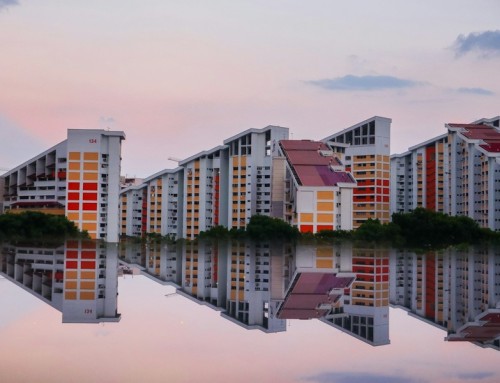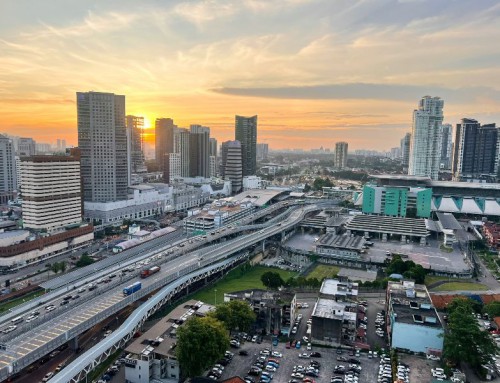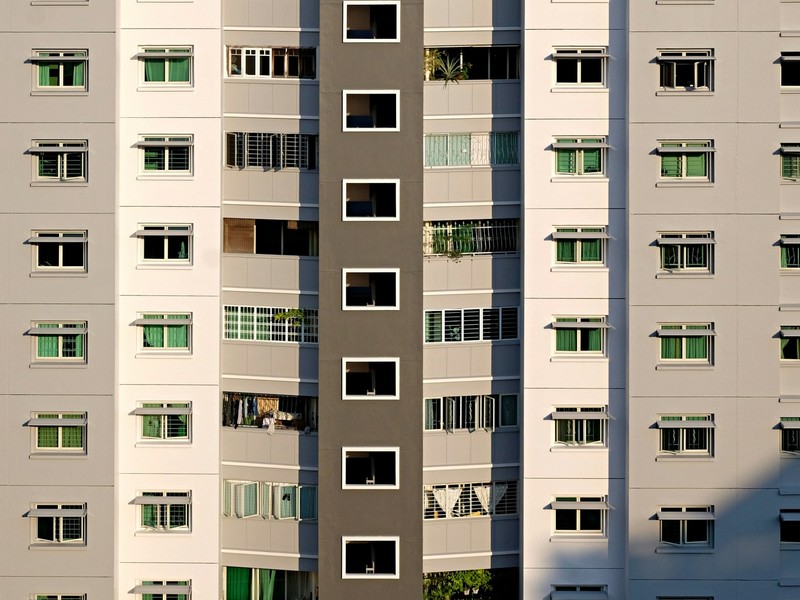
The latest housing data seems to tell a simple story. HDB resale prices fell by 0.3 per cent in the second quarter of 2026, while private residential prices rose by 0.5 per cent. If you own an HDB flat and want to upgrade to a condominium, that sounds like bad news. Your current home became cheaper while the home you want became more expensive.
But that conclusion compares two broad indices as though every upgrader is selling the average HDB flat and buying the average private home. No such transaction exists. The real upgrader gap depends on the flat being sold, the condominium segment being bought, the size of both homes, the remaining lease, the location, the financing and the actual transaction prices.
The two headline indices moved apart
The HDB Resale Price Index fell for a second consecutive quarter, following a 0.1 per cent decline in the first quarter. The private residential index moved the other way, rising 0.5 per cent after a 0.9 per cent increase in the first quarter. At this level, the headline gap did widen.
However, as I explained when looking at why the 0.5 per cent private-home headline was incomplete, the private index was pulled up by segments that many HDB upgraders are not buying. Landed prices rose 2.5 per cent and Core Central Region non-landed prices rose 1.8 per cent, while non-landed prices fell 1.2 per cent in the Rest of Central Region and 0.1 per cent in the Outside Central Region.
For many upgraders, the relevant private market also fell
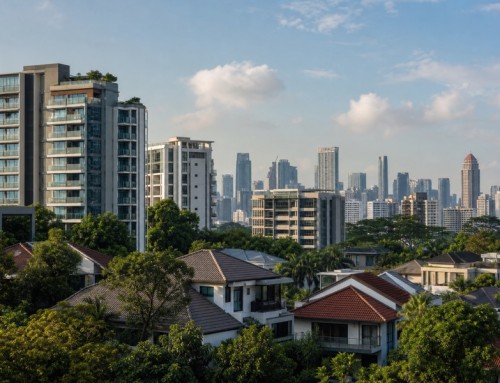
A typical upgrader is more likely to compare an HDB flat with a mass-market or city-fringe condominium than with a landed house or a luxury Core Central Region apartment. In the second quarter, both the RCR and OCR non-landed indices declined. That means the price relationship for many real upgrader choices may have been stable or even slightly more favourable, despite the island-wide private index rising.
This does not mean upgrading became easy. The absolute price difference can remain very large. A 0.3 per cent decline on an S$800,000 flat is S$2,400. A 0.1 per cent decline on a S$1.8 million condominium is S$1,800. The dollar gap barely changes. If the target condominium is in a project that outperformed its regional index, the gap could still widen substantially.
Index does not equate to valuation
An index measures the overall movement of a market after combining many transactions. It does not account for the exact floor, facing, age, renovation, lease, unit layout or urgency of the buyer and seller. Upgraders should compare like with like: recent transactions for their own flat type and block cluster against realistic transactions for the exact condominium projects and unit sizes they are considering. The same asset-specific discipline belongs in any property-buying checklist.
The financing gap can also move differently from the price gap. The amount of CPF available, outstanding HDB loan, cash-over-valuation risk, buyer’s stamp duty, legal fees, renovation costs and loan approval can matter more than a one-quarter index movement. A household that stretches to the maximum loan because an index softened by 0.1 per cent has misunderstood the problem.
What I think the data is really saying
The market is splitting, not moving neatly up or down. HDB prices have softened modestly after a long run of gains. Private landed and prime-area prices were stronger, while the city-fringe and mass-market condominium segments weakened. This is consistent with the broader pattern discussed in the recent changes to property rules: policymakers are reducing selected frictions while retaining the main safeguards around leverage and subsidised housing.
My verdict
The broad HDB-to-private index gap widened in 2Q2026. The practical upgrader gap did not necessarily widen for everyone. If your target is an RCR or OCR condominium, the relevant private segment also moved lower. Do not let two headline percentages decide a six- or seven-figure property move. Price your own flat, price the actual replacement home and calculate the financing difference. It is easy to read a news article and get all excited about where the market is headed.
Yours sincerely,
Daryl Lum